
Old Tales and Ancestral Knowledge
In the North a person is not judged by where they come from or the path they walked, only how they carry themselves once there. It’s a land of those who need to escape, who need to forget or be forgotten. What connects the culture however are two major pillars; Elders are to be listened to, for any that reach a long age has learned from their share of mistakes, and superstitions and legends tell of truth and should guide one’s actions.
Many tales merge the two tenants, of a ware elder being right but unheeded by a doomed young idealist, but here are two tales that separate the aspects.
A written, and abridged, version of the tale of the North’s founding
“It is easy to forget many things, such as the land that sits across the sea. This land was one of sacristy and war, so much killing for so few riches. The war was to see all die, it was endless and killed any before they grew old enough to question it. Yet one did, she was clever, she was shrewd, and she lived to the blessed age of 60 years in this cursed land.
She was the one to see how truly pointless the war was, she saw the slow painful bleed leading to death. So she gathered, rallied, took supplies and warriors and set not to the battlefield but to the sea. Many thought her a fool, wishing to escape death by going to the place death was assured. They set off on three large ships, out to the horizon’s unwavering edge.
Weeks past with nothing more than water, the winds uncaring, the course unclear. So when a rocky mass appeared in the distance the sailors rejoiced! They had quested but there was land. However it was barren and harsh, save for a low moss. The Elder knew this was not a home and told them to continue past. The young captain of a ship refused, he barked and he snapped, and rallied his ship and a few sailors to stay. As the two remaining ships departed they could already hear the sailors fight over who got the pitiful amount of moss.
The ships then continued, days, weeks, months, through frozen waters that eventually gave to impenetrable ice. The sailors grew in despair, they journeyed so far for a frozen waste. Yet, the Elder knew, for she saw birds flying from the ice in the opposite direction they came. So she ordered the ships pulled from the water and dragged on the ice.
The sailors groaned, hissed, and one of the ships turned back. So with a crew and one boat they pulled the boat across the ice only a day away, the ice stopped, the sea opened, and in the distance a shimmer ghost of a mountain in the far horizon. That mountain was the North, and on its shores the Elder found the first city.”
This is one of many telling of the founding of the north. They are unique in their telling of a land beyond the ice, no one has been able to confirm it’s existence or travel beyond the frozen wastes. The ship that stayed on the rock are sometimes attributed as the ancestors of the horned folk, saying they grew aspects like rams, living in a rocky land with only moss to eat.
A sailor cautionary tale, edited for etiquette.
Once there was a sailor, Konkord-Ith was his name, a crusted old sailor, with salt in every crease and crack. The man set out on an old but trusted dingy, nothing you’d be proud of but you wouldn’t worry about your life neither, pushed off into the water at the first crack of morning light. The man was struggling, fish had not bit for over a week and he started to feel the hollowness not only in his pockets but in his stomach, that creeping ache of hunger I know you’ve all felt. There were no other fisher boats out in the sea, not on either side of the bay, because sailors know you best be careful to ride the water while its master, Mo-koon, looks down onto it.
But this is yet a tale of disaster, Konkord-it’s was desperate but not stupid, he kept his head covered in a large hood and face wrap from Mo-koon to hide from her sight. So he set out to the waters and cast, throwing nets out wide and waited. The fish were too tired at this time to see the net, the darkness hiding it and their brains yet to be awoken, they fell into his nets by the tens and tens.
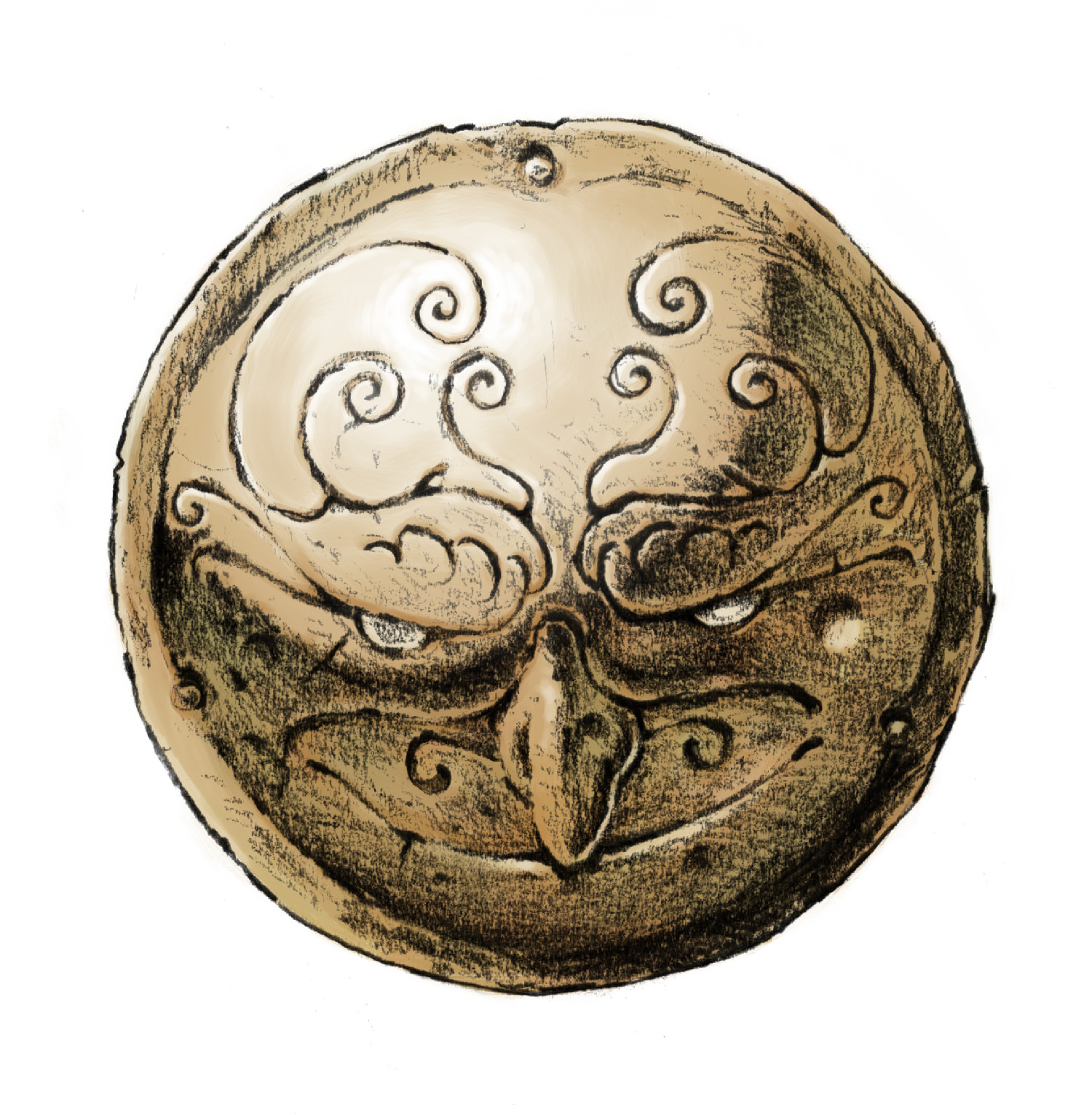
Konkord-Ith, feeling a joy and relief but also the need in his belly could not contain himself and he pulled the fish aboard. He grabbed a small gonny, the kind you eat whole, and pulled his mask off to slake his hunger. Yet as he pulled down the mask the wind surged, his hood blown aside and face exposed, Mo-koon looked down on his naked visage in all her rage.
The poor fool hadn’t even time to throw back on his hood before the pallid avatar of Mo-koon rose out of the water, towering like a mountain peak, and crushed him and his dingy into the waves. To this day, I swear you, no fish or crab ventures into that patch of sea, it’s a dead place, a monument to what happens when you disrespect the nature of things.”
Many northern superstitions revolve around the sea and the northern spirit of the moon, Mo-koon. She is the usual judge and that which often dishes out punishment to those who transgress against established norms. Both stories also hint at the northern concept of justice. They see that one will learn best of they face their own folly, the Northerns send the offender to the woods with nothing but their clothes. If the folly is dire enough retribution comes immediately, but if it’s a minor folly they can reflect and return to the community at the years time regulated at sentencing.